
Long Term Gambling Recovery Didn’t Feel Like Winning—It Felt Like Sitting Still
This Is Michael’s Story
Meet Michael — 46, warehouse operations supervisor, Manchester, UK
When people imagine recovery, they often picture momentum. Forward motion. Relief. A sense of victory.
That wasn’t my experience.
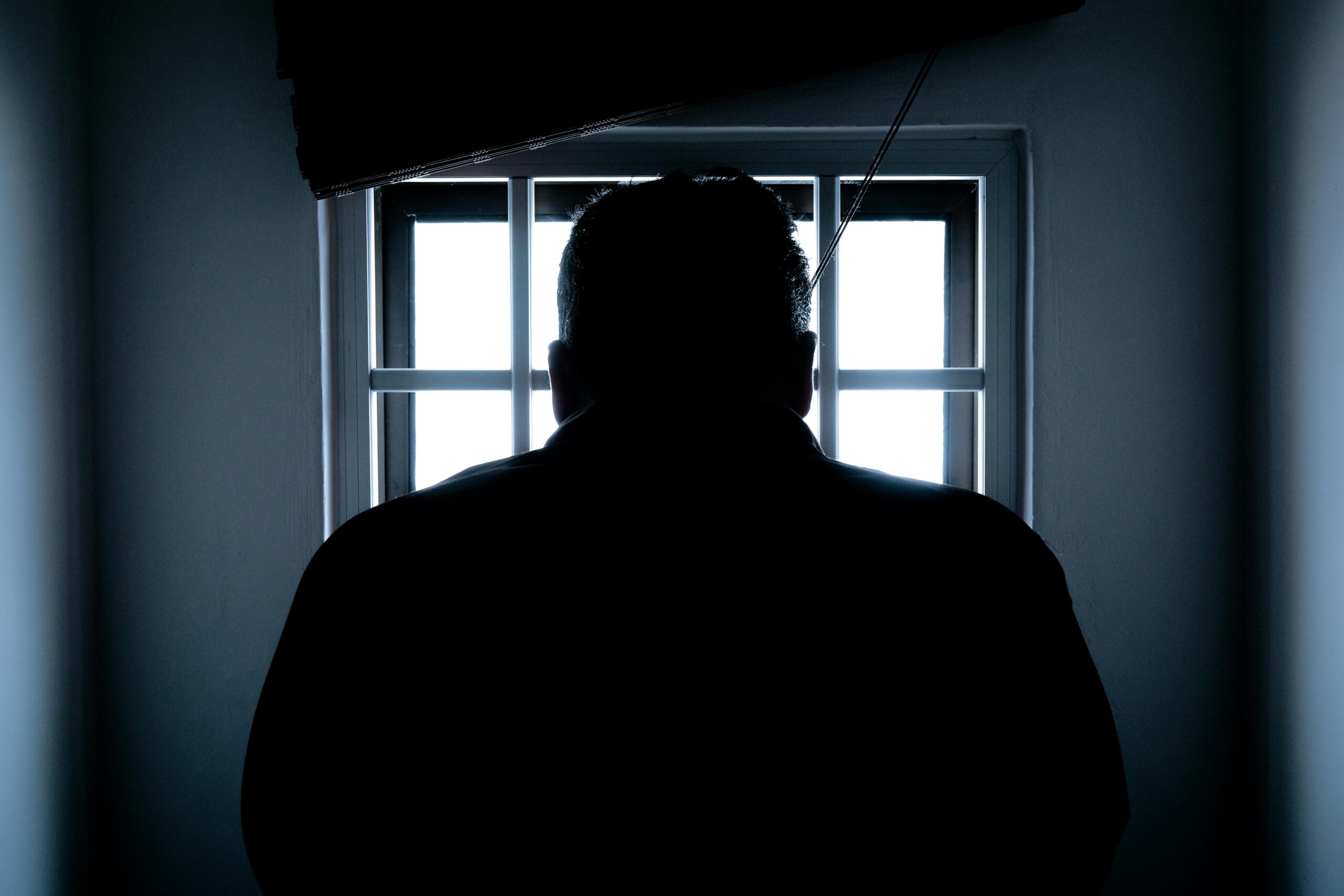
My recovery didn’t feel like winning. It didn’t feel like freedom or celebration. Most days, it felt like sitting still—doing nothing dramatic, nothing impressive, just staying where I was and not going backward.
And for a long time, that scared me.
When Gambling Stopped but Nothing Felt Better
I stopped gambling after a quiet breaking point.
There was no explosion. No confrontation. No dramatic loss that finally woke me up. I was sitting alone in my car after work, looking at my bank balance, realizing I didn’t feel panic anymore—just emptiness.
That was the moment I knew something was wrong in a different way.
I quit gambling shortly after that. I blocked accounts. I told my partner. I started counseling. From the outside, it looked like I was doing everything right.
But inside, long-term gambling recovery didn’t feel like progress. It felt like nothing.
The Strange Stillness After the Chaos
When gambling was part of my life, everything felt urgent.
Wins, losses, lies, stress—it all kept me moving. Even when things were bad, there was momentum. A sense of motion. A constant pull.
When that stopped, the silence was unsettling.
I wasn’t in a crisis anymore, but I wasn’t happy either. Days passed without strong feelings. No excitement. No hope. No sense of direction.
This was my first real experience of slow recovery from addiction—and I didn’t recognize it as recovery at all.
I Thought Recovery Was Supposed to Feel Like Relief
I kept waiting for the moment everyone talked about.
The moment when things “click.”
The moment when you feel proud.
The moment when life feels lighter.
Instead, my life felt flat.
In long-term gambling recovery, no one warned me about the in-between phase—the part where you’re no longer destroying your life, but you’re also not inspired by it yet.
That phase made me doubt everything.
Watching Others “Move On” Faster Than Me
What made it harder was comparison.
I’d heard recovery stories where people talked about rebuilding quickly. New goals. New energy. New purpose.
Meanwhile, I was just… steady.
I went to work. I paid bills. I came home. I stayed away from gambling. That was it.
Slow recovery from addiction doesn’t give you milestones you can celebrate. It gives you long stretches of ordinary days. And I mistook that for failure.
The Guilt of Not Feeling Grateful Enough
People around me were relieved.
My partner trusted me again—carefully, but honestly. My finances stabilized. The immediate damage stopped.
Everyone kept saying, “You must feel so much better.”
I nodded. But inside, I felt guilty for not feeling grateful.
Long-term gambling recovery made me realize something uncomfortable: stopping harm doesn’t automatically create joy. Sometimes it just creates space. And space can feel empty before it feels meaningful.
What Sitting Still Taught Me
It took months before I understood what was happening.
I wasn’t stuck.
I wasn’t failing.
I wasn’t unmotivated.
I was healing at a pace my nervous system could handle.
Slow recovery from addiction meant my life was no longer being driven by adrenaline or crisis. My body was learning what stability felt like—and it didn’t feel exciting. It felt unfamiliar.
Sitting still was teaching me how to exist without escape.
When “Nothing Happening” Was Actually Everything
One day, something small shifted.
I realized I hadn’t checked betting odds in weeks.
I noticed stress at work didn’t send me spiraling.
I caught myself being present during a quiet dinner instead of restless.
These weren’t breakthroughs. They were subtle changes.
Long-term gambling recovery wasn’t changing my life loudly. It was changing my reactions quietly.
Redefining What Progress Looks Like
I had to unlearn the idea that progress meant feeling better.
Sometimes progress meant:
- Staying honest when it was uncomfortable
- Sitting with boredom instead of running from it
- Letting trust rebuild slowly
- Not needing distraction to get through the evening
Slow recovery from addiction taught me that stability often feels dull before it feels safe.
Learning to Trust the Quiet
The hardest part was trusting that the quiet meant something good.
I wanted proof that recovery was working. I wanted reassurance that this stillness wasn’t permanent emptiness.
What I eventually learned was this: long-term gambling recovery doesn’t rush you into happiness. It rebuilds your capacity to feel without being overwhelmed.
That takes time.
Where I Am Now
I’m four years into long-term gambling recovery.
I don’t feel “fixed.”
I don’t feel constantly hopeful.
I don’t feel like a success story.
But I feel grounded.
My life is steady. My relationships are honest. My days are predictable in a way that once would have terrified me—and now feels like peace.
Slow recovery from addiction didn’t give me fireworks. It gave me my life back, one quiet day at a time.
Why I’m Sharing This
I’m sharing this because I know how lonely the middle can feel.
If your recovery feels like sitting still…
If it feels uneventful…
If it feels like you’re waiting for something that hasn’t arrived…
Please know this: you are not doing recovery wrong.
Long-term gambling recovery often looks boring before it looks meaningful. And slow recovery from addiction is still recovery.
Sometimes the bravest thing you can do is stay exactly where you are—steady, honest, and still—until healing has time to catch up.
And one day, without noticing when it happened, you realize you’re no longer running.
You’re living.