

New Habits That Support Gambling Recovery (Without Trying to “Fix” Your Whole Life)
Recovery often arrives with a quiet but heavy expectation: that everything must change at once. For many people healing from gambling addiction, this pressure can feel overwhelming. Suddenly, every habit, routine, and lifestyle choice seems up for evaluation.
But sustainable healing does not require rebuilding your entire life overnight.
What it does require are habits for gambling recovery that support stability, reduce emotional strain, and fit into the life you are already living. This article explores how to build recovery-supportive habits without falling into burnout, perfectionism, or the belief that you must “fix” everything to move forward.
Note: This article may contain affiliate links. If you choose to make a purchase through them, HighStakesHealing.com may earn a small commission at no additional cost to you. These recommendations are carefully selected to support individuals seeking clarity and healing on their recovery journey.
Why Overhauling Your Life Can Undermine Recovery
After gambling addiction, there is often a strong urge to compensate—to become more disciplined, productive, or “better” as quickly as possible. While the intention is understandable, this approach can quietly undermine recovery.
Trying to change everything at once often leads to:
- Emotional exhaustion
- Unrealistic expectations
- Guilt when routines slip
- Increased stress
- Loss of motivation
Recovery thrives on steadiness, not intensity. Habits for gambling recovery work best when they reduce pressure rather than add to it.
Featured Book Review
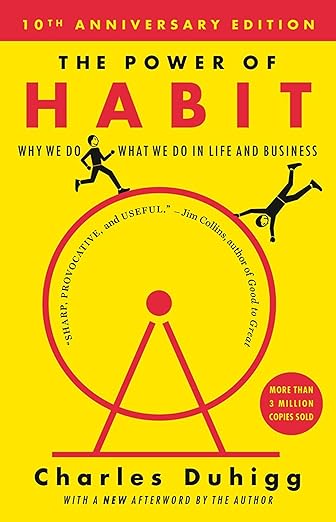 The Power of Habit by Charles Duhigg
Blending research with real-world stories, this book explains how habits form at the neurological level and why they’re so difficult to break. For those in gambling recovery, its clear framework offers insight into triggers, routines, and rewards—making change feel more understandable and achievable. Rather than promoting sheer willpower, it shows how awareness and small adjustments can gradually lead to healthier, more stable patterns.
Recovery takes guidance, and books can provide both comfort and practical strategies. Visit our Books Collection for Recovery to explore guides, memoirs, and workbooks that support lasting change.
The Role of Habits in Emotional Safety
Habits are not just about productivity. In recovery, they serve a different purpose: emotional safety.
Well-chosen habits for gambling recovery help:
- Create predictability
- Reduce decision fatigue
- Lower stress
- Support emotional regulation
- Decrease exposure to triggers
These habits are not meant to transform you. They are meant to support you.
Shifting the Question: What Supports Me Right Now?
Instead of asking, “What should I change?” try asking:
“What helps me feel more stable today?”
This shift reframes habit-building from self-improvement to self-support. It also makes recovery routines more sustainable.
Effective habits for gambling recovery respond to your current capacity, not an idealized version of yourself.
Habit 1: A Simple Daily Anchor
Recovery benefits from having at least one predictable moment each day.
This could be:
- A morning check-in
- A short walk
- A few minutes of quiet reflection
- A consistent evening routine
This anchor becomes a point of stability. When everything else feels uncertain, this habit remains.
Small anchors are foundational habits for gambling recovery because they remind your nervous system that not everything is in flux.
Habit 2: Gentle Structure Around Time
Unstructured time can quietly increase vulnerability. Rather than filling every hour, focus on light structure.
Helpful recovery routines include:
- Rough plans for mornings and evenings
- Designated rest periods
- Scheduled meals
- Predictable sleep times
These routines reduce boredom and restlessness without becoming rigid. They support healthy habits after gambling addiction by creating rhythm, not restriction.
Habit 3: Reducing Mental Clutter Instead of Adding Tasks
Many people try to improve recovery by adding tasks. Sometimes the more helpful habit is removing mental clutter.
Consider:
- Limiting exposure to triggering content
- Reducing decision overload
- Simplifying commitments
- Saying no more often
Reducing mental noise is one of the most protective habits for gambling recovery, especially during emotionally heavy periods.
Habit 4: Financial Awareness Without Obsession
Money is often a sensitive area after gambling addiction. Avoiding it completely can increase anxiety, while obsessing over it can increase stress.
Balanced recovery routines include:
- Brief, scheduled financial check-ins
- Clear spending limits
- Automation where possible
- Transparency with trusted support
These habits support safety without turning finances into a daily emotional battleground.
Habit 5: Emotional Check-Ins That Don’t Become Analysis
Emotional awareness is important, but overanalyzing every feeling can become overwhelming.
A simple emotional habit might include:
- Naming one emotion per day
- Noticing stress levels without fixing them
- Asking, “What do I need right now?”
These small practices are effective habits for gambling recovery because they encourage presence without pressure.
Habit 6: Movement Without Performance
Physical activity is often framed as something you must do “right.” In recovery, movement should be supportive, not demanding.
Healthy habits after gambling addiction include:
- Walking
- Stretching
- Light exercise
- Gentle routines that feel accessible
Movement supports emotional regulation and reduces stress, even when it’s brief and unstructured.
Habit 7: Creating One Safe Connection Point
Isolation increases relapse risk. You don’t need a wide network—just one reliable point of connection.
This could be:
- A friend
- A support group
- A counselor
- A trusted family member
Regular, low-pressure connection is one of the most stabilizing habits for gambling recovery.
Habit 8: Practicing Rest Without Guilt
Many people in recovery feel pressure to constantly improve. Rest can feel undeserved.
But rest is not a reward—it is a requirement.
Recovery routines that include rest:
- Prevent burnout
- Reduce emotional overload
- Improve decision-making
- Support long-term stability
Healthy habits after gambling addiction respect the need for rest without attaching guilt.
Habit 9: Letting Consistency Be “Good Enough”
Consistency does not mean perfection.
Missing a day does not erase progress.
Adjusting a routine does not equal failure.
Habits for gambling recovery work when they are flexible enough to survive real life.
“Good enough” habits last longer than rigid ones.
Habit 10: Checking In with Progress Gently
Instead of asking, “Am I doing this right?” try asking:
“What feels slightly easier than it did before?”
Progress in recovery often looks subtle:
- Less emotional reactivity
- Faster awareness of triggers
- Increased honesty
- More stable routines
These are signs that your habits are supporting healing—even if life still feels imperfect.
Why Lifestyle Support Matters More Than Motivation
Motivation fades. Lifestyle support remains.
Habits for gambling recovery reduce reliance on emotional highs and protect you during low-energy periods. They create an environment where recovery becomes part of daily life rather than a constant effort.
This is why habits matter more than willpower.
Letting Go of the Need to Fix Everything
You do not need to fix your personality, past, or future to recover.
You need:
- Safety
- Support
- Predictability
- Compassion
Healthy habits after gambling addiction provide these elements quietly, without demanding transformation.
When Habits Feel Hard to Maintain
If habits begin to feel burdensome, that is information—not failure.
It may mean:
- You’re doing too much
- Your capacity has changed
- Stress levels are high
- Expectations need adjustment
Recovery routines should adapt to your life, not the other way around.
Conclusion: Small Habits, Strong Foundation
Recovery does not require a total lifestyle overhaul. It requires thoughtful, supportive choices that meet you where you are.
Habits for gambling recovery are not about becoming someone new. They are about creating conditions where healing can continue—steadily, gently, and without overwhelm.
You are allowed to recover without fixing everything.
You are allowed to move forward at a humane pace.
And the habits that support you quietly are often the ones that last the longest.