
Why Recovery Feels Stuck After Quitting Gambling
I Didn’t Relapse—I Just Felt Stuck
This Is Aaron’s Story
Meet Aaron — 39, automotive technician, Calgary, Canada
By the time spring arrived, I had not gambled in nearly four months.
On paper, that looked like success.
My bank account has stabilized. My partner was no longer checking every purchase I made. The panic that once surrounded money had eased enough that daily life finally felt manageable again.
But internally, something felt different.
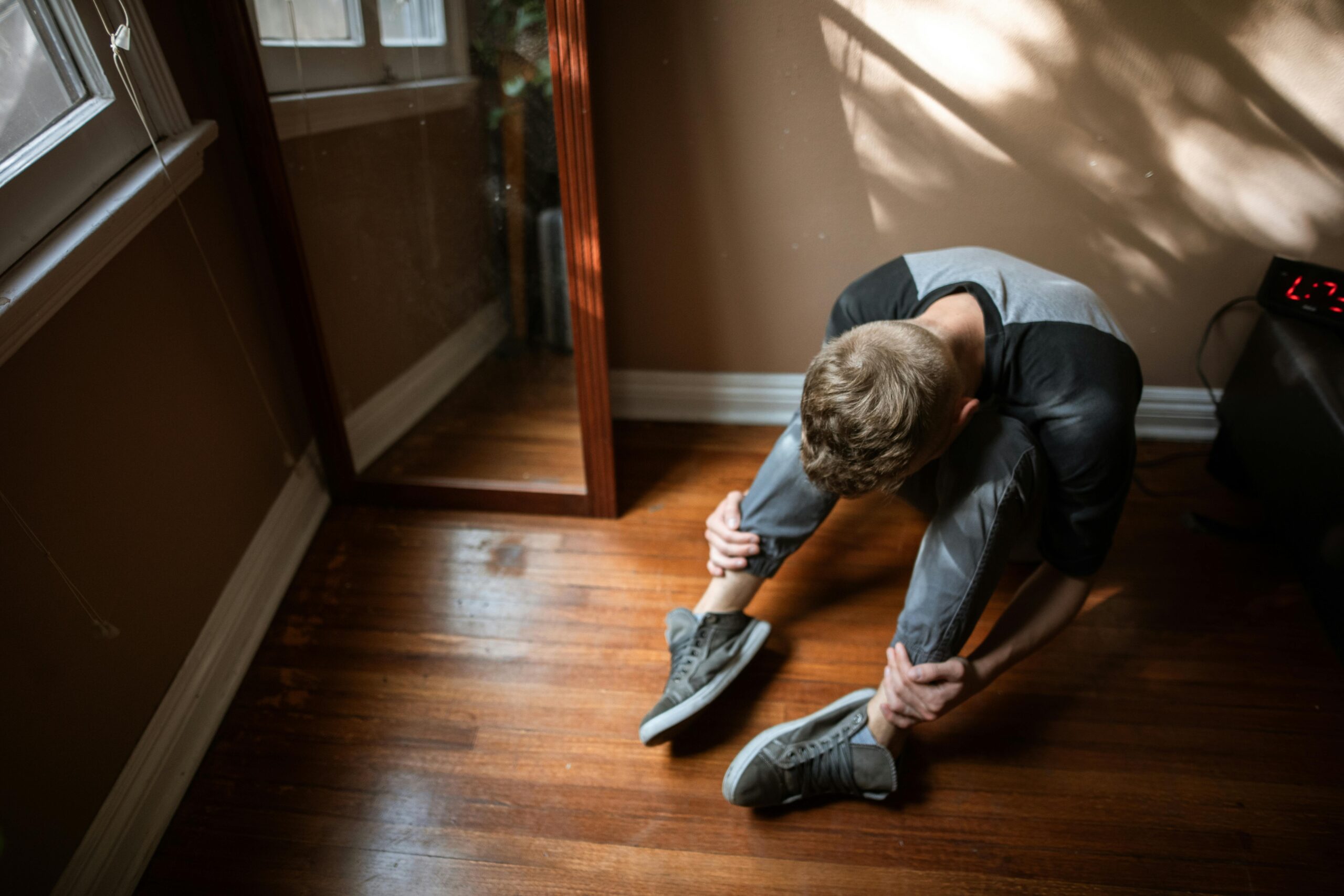
I hadn’t relapsed. I wasn’t actively craving gambling. Yet every day felt strangely heavy, and I couldn’t shake the thought that something in my recovery had stalled.
That was when I began to understand why recovery feels stuck after quitting gambling.
When Progress Stops Feeling Like Progress
In the early weeks of quitting gambling, every milestone felt meaningful.
The first week without betting felt like climbing a mountain. The first month felt like proof that change was possible. I counted days the way someone counts victories.
But after several months, the excitement faded.
I wasn’t celebrating each day anymore. Recovery became routine, and routine didn’t feel inspiring. It felt neutral, almost mechanical.
That quiet shift is often what people mean when they describe feeling stuck in gambling recovery.
The Plateau That No One Talks About
Most recovery conversations focus on two extremes: crisis and breakthrough.
People talk about the moment they quit or the moment their life dramatically improved. What receives far less attention is the middle phase where nothing dramatic happens at all.
I had reached that middle phase.
Life wasn’t falling apart anymore, but it also didn’t feel like it was improving in obvious ways. The emotional highs and lows that once defined my life had flattened into something calmer but also less stimulating.
That plateau made me question whether I was actually moving forward.
The Confusing Absence of Urgency
When I was gambling, everything felt urgent.
Wins felt urgent. Losses felt urgent. Even the decision to stop carried emotional intensity. That urgency had driven many of my early recovery decisions.
But by the fourth month, urgency disappeared.
Without the constant pressure of gambling, life became quieter. At first that quiet felt uncomfortable. Later it felt strangely empty.
Understanding why recovery feels stuck after quitting gambling often begins with recognizing that the adrenaline of crisis is gone.
Comparing Myself to Other People
One mistake I made during this stage was comparison.
I read stories about people who felt energized by recovery, people who started businesses, ran marathons, or transformed their lives within months.
My life looked far less dramatic.
I was simply going to work, paying bills, rebuilding trust slowly, and trying not to gamble. From the outside it looked ordinary, which made me wonder if I was doing something wrong.
But feeling stuck in gambling recovery does not mean progress has stopped. Sometimes it simply means life has stabilized.
The Hidden Work Happening Beneath the Surface
What I eventually realized was that recovery does not always feel like growth.
Sometimes growth looks like consistency.
Each day that I did not gamble was reinforcing a new pattern in my brain. Each time I handled stress without escape, I was strengthening emotional resilience.
The changes were subtle.
But subtle does not mean insignificant.
Understanding why recovery feels stuck after quitting gambling helped me see that stability itself is a form of progress.
Learning to Accept the Plateau
Instead of trying to force dramatic change, I began focusing on patience.
Recovery did not need to feel exciting every day. It only needed to remain steady.
Feeling stuck in gambling recovery became easier to tolerate once I stopped interpreting the plateau as failure. The absence of chaos meant something important had already changed.
Life had become manageable.
A Different Kind of Confidence
Over time, something shifted again.
Not dramatically. Quietly.
I noticed that I trusted my decisions more. I noticed that financial stress no longer controlled my mood. I noticed that ordinary days felt safer than they once did.
The plateau had not stagnated.
It had been stabilized.
What I Wish Someone Had Told Me
If I could go back and speak to myself during that phase, I would say this:
Recovery does not always feel like progress.
Sometimes it feels repetitive. Sometimes it feels slow. Sometimes it feels like nothing is happening at all.
But if you are still showing up, still refusing to gamble, and still choosing honesty, you are moving forward even when it feels like you are standing still.
That is the truth about why recovery feels stuck after quitting gambling.
The Strength of Staying
Today, I no longer see that period as a failure.
It was the moment recovery shifted from crisis response to long-term stability.
Feeling stuck in gambling recovery was not evidence that I was failing. It was evidence that my life had become calm enough for real healing to take place.
And sometimes, the most important progress happens quietly — during the months when nothing dramatic seems to change at all.