


5 Practices to Stay Grounded and Grow
Daily habits for long-term recovery are more than routines — they are lifelines. Recovery isn’t just one moment of change; it’s a continuous, intentional practice. It’s not about perfection or never making mistakes again. It’s about creating a life that feels steady, peaceful, and worth showing up for every single day.
The truth is, long-term recovery depends less on big breakthroughs and more on the quiet consistency of small choices. These daily habits help rebuild trust — with yourself, with others, and with the life you’re creating beyond addiction. Whether you’re at the beginning of your healing journey or years into it, these practices can help you stay grounded, present, and strong.
Some of the links on this page are affiliate links. That means if you choose to make a purchase, High Stakes Healing may earn a small commission—at no extra cost to you. We only recommend books and resources we believe can truly support your recovery journey.
1. Begin Each Morning with Reflection
Mornings set the emotional tone for the day. Before you reach for your phone or dive into your to-do list, pause and breathe. Reflection is one of the most powerful daily habits for long-term recovery because it gives you a chance to reconnect with your purpose before the noise of the world begins.
Ask yourself:
- How do I want to feel today?
- What small act will support my healing?
- What can I release from yesterday?
This moment of mindfulness doesn’t have to be long — even one intentional breath can shift your focus from fear to clarity. Reflection reminds you that recovery is built one choice at a time.
Featured Book Review
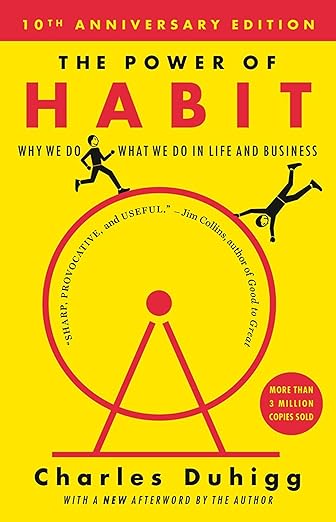 The Power of Habit by Charles Duhigg
A deeply engaging exploration of how habits are formed—and how they can be changed. Duhigg reveals the science behind habit loops and offers practical strategies for reshaping destructive patterns into healthier ones. For individuals recovering from gambling addiction, this book provides valuable insight into why compulsive behaviors develop and how to rebuild new, empowering routines.
Recovery takes guidance, and books can provide both comfort and practical strategies. Visit our Books Page for Healing and Recovery and explore guides, memoirs, and workbooks that support lasting change.
2. Keep a Daily Journal
Writing is both grounding and revealing. Journaling allows you to see patterns, process emotions, and celebrate growth. As one of the most effective daily habits for long-term recovery, journaling helps you track progress and transform self-awareness into strength.
Start small — five minutes a day is enough. You can use prompts like:
- What did I handle well today?
- When did I feel most grounded?
- What is something I want to let go of?
Over time, your journal becomes a mirror for transformation. It reminds you of where you’ve stumbled and, more importantly, how far you’ve come. Consistency builds confidence, and confidence sustains recovery.
3. Stay Connected Through Support
Isolation can be a quiet threat to healing. Connection, however, is a cornerstone of daily habits for long-term recovery. Being part of a supportive community — whether through therapy, online recovery groups, or trusted friends — provides accountability and encouragement.
Recovery is not meant to be a solo path. Every person you open up to, every conversation you have, strengthens your resilience. Support reminds you that you are not alone — and that every story of healing is made possible through shared strength.
4. Practice Gratitude — Even in Small Ways
Gratitude helps you see hope even when life feels heavy. It doesn’t mean ignoring pain; it means allowing joy and struggle to coexist. Practicing gratitude is one of the most transformative daily habits for long-term recovery because it rewires your perspective toward appreciation rather than avoidance.
Each night, write down three things that brought you peace or comfort — maybe it’s a warm meal, a calm conversation, or a few quiet minutes of rest. Over time, gratitude softens the edges of self-criticism and turns ordinary days into quiet celebrations of progress.
5. End Each Day with Self-Compassion
Recovery is rarely linear. Some days will flow with ease; others will feel like starting over. When those moments come, practice self-compassion. It’s the most vital of all daily habits for long-term recovery because it keeps you from giving up when life feels hard.
Before bed, speak to yourself with kindness:
- “I’m trying.”
- “I’m learning.”
- “I’m growing.”
Forgiveness is the foundation of forward movement. Self-compassion allows you to meet your struggles with understanding rather than judgment. When you wake the next morning, you’ll find it easier to begin again — gently, but with intention. Positive self-talk to overcome gambling cravings and urges reinforces this practice, reminding you that your worth isn’t defined by setbacks but by your persistence. When you wake the next morning, you’ll find it easier to begin again—gently, but with intention.
Building a Life That Sustains Recovery
These daily habits for long-term recovery aren’t about perfection — they’re about presence. Healing is not a finish line; it’s a rhythm. Every time you reflect, write, connect, give thanks, or forgive yourself, you reinforce the foundation of your recovery.
Over time, these daily habits for long-term recovery shift your mindset from merely surviving to truly living. You begin to see recovery not as an act of resistance but as an act of creation — the rebuilding of a life defined by meaning, peace, and self-trust.
If you’re looking for structured support to deepen your healing, consider exploring holistic programs like the Life Process Program. It offers tools for reflection, community, and emotional growth — all aligned with building sustainable daily habits for long-term recovery that nurture balance and resilience.
Consistency doesn’t mean perfection. It means showing up — even when it’s hard, even when progress feels slow — and trusting that each small act of care is shaping a stronger, more peaceful you. Over time, these intentional daily habits for long-term recovery become the quiet foundation of lasting change.
Continue your healing journey with more reflections and guides from High Stakes Healing:
- Building Strength Through Long-term Gambling Recovery
- Emotional Recovery Tools Paired with Financial Repair Strategies
- Truth and Recovery from Gambling Addiction: The Power of Honesty in Healing
- Recovery Toolkit for Overcoming Gambling
Tools to Help You Heal — Inside & Out
From therapy and budgeting apps to mindfulness and reading guides, our Recovery Tools & Resources page is your companion for rebuilding emotionally, financially, and mentally.