


7 Steps to Rebuilding Self Trust After Gambling Addiction: A Step-by-Step Reset
Rebuilding self trust after gambling addiction is often harder than stopping gambling itself. Long after the behavior ends, many people are left questioning their judgment, doubting their decisions, and feeling disconnected from their inner sense of reliability.
This loss of self-trust can quietly undermine recovery. When you don’t trust yourself, even small choices feel risky. Confidence erodes. Fear replaces intuition. And progress can feel fragile.
This article offers a grounded, compassionate, step-by-step approach to rebuilding self-trust after gambling addiction—without rushing, self-blame, or unrealistic expectations. Healing trust is not about proving strength. It is about restoring safety within yourself.
Please note that some links in this article are affiliate links. If you choose to use them, we may earn a commission with no added cost to you. We are committed to recommending resources that uphold the values of safety, honesty, and long-term recovery.
Why Gambling Addiction Breaks Self Trust So Deeply
Gambling addiction doesn’t just affect finances or behavior—it disrupts your relationship with yourself.
During addiction:
- Promises are broken
- Boundaries are crossed
- Intuition is ignored
- Decisions feel hijacked
- Regret follows action
Over time, this creates an internal narrative: “I can’t trust myself.”
Rebuilding self trust after gambling addiction requires understanding that this mistrust did not come from weakness. It came from survival patterns that once felt necessary.
Featured Book Review
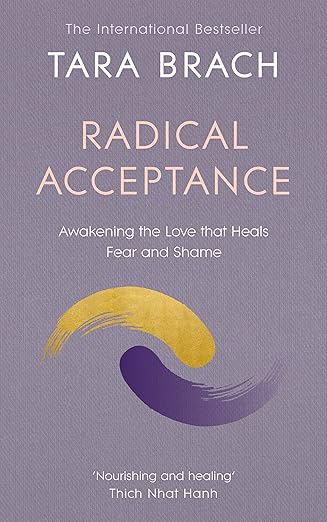 Radical Acceptance by Tara Brach
This reflective and deeply humane book invites readers to stop fighting themselves and begin meeting pain with awareness and kindness. Tara Brach blends mindfulness, psychology, and lived insight to help those struggling with guilt, self-judgment, and emotional avoidance—patterns that often accompany gambling addiction. Rather than pushing for quick fixes, the book encourages presence and self-acceptance as foundations for genuine, lasting recovery.
Recovery takes guidance, and books can provide both comfort and practical strategies. Visit our Books Collection for Healing and Recovery collection to explore guides, memoirs, and workbooks that support lasting change.
Step 1: Separate Who You Are from What Addiction Did
The first step in rebuilding self trust after gambling addiction is identity repair.
Addiction convinces people that their actions define their character. Recovery asks you to separate behavior from worth.
You are not:
- Your worst decisions
- Your financial losses
- Your broken promises
You are someone who lived with a condition that distorted decision-making.
This separation is essential for self-confidence after gambling to grow again.
Step 2: Start Trusting Yourself with Small, Low-Risk Decisions
Self-trust does not return through big promises. It returns through repetition.
Begin rebuilding self-trust after gambling addiction by practicing reliability in small areas:
- Keeping simple daily routines
- Following through on small commitments
- Making and honoring basic boundaries
- Showing up when you say you will
Each kept promise—no matter how small—teaches your nervous system that you are becoming dependable again.
This is how trust yourself recovery begins.
Step 3: Learn to Pause Instead of React
Gambling addiction trains impulsive response. Recovery retrains pause.
Rebuilding self-trust after gambling addiction requires learning to stop before acting.
Practice:
- Pausing when emotions spike
- Taking time before decisions
- Sitting with discomfort instead of escaping
- Asking yourself what feels safe, not exciting
The ability to pause builds self-confidence after gambling because it restores choice.
Step 4: Replace Self-Criticism with Self-Observation
Many people mistake self-criticism for accountability.
In reality, constant self-judgment erodes trust.
Instead of asking:
“What’s wrong with me?”
Ask:
“What happened here?”
“What do I need right now?”
Rebuilding self-trust after gambling addiction depends on curiosity, not punishment. Observation creates learning. Criticism creates fear.
Fear does not build trust.
Step 5: Let Consistency Matter More Than Intensity
Trust is built through consistency, not dramatic change.
You don’t need to:
- Feel confident every day
- Make perfect decisions
- Prove your growth to others
You need to be steady.
Rebuilding self trust after gambling addiction means showing up again and again—even when motivation is low. This steady presence is what creates trust yourself recovery over time.
Step 6: Accept That Doubt Will Show Up—and Stay Grounded Anyway
Doubt does not mean failure.
Even as you are rebuilding self-trust after gambling addiction, moments of uncertainty will arise:
- “What if I mess up again?”
- “What if I can’t handle this?”
- “What if I’m not really different?”
Trust is not the absence of doubt. It is the ability to act safely despite it.
Self-confidence after gambling grows when you respond to doubt with care instead of panic.
Step 7: Align Your Actions with Your Values
Values-based living is one of the strongest tools for rebuilding self trust after gambling addiction.
Ask yourself:
- What kind of person do I want to be now?
- What values guide my recovery?
- What choices align with safety, honesty, and stability?
When actions align with values—even imperfectly—trust begins to repair itself.
This alignment anchors trust yourself recovery in meaning, not performance.
Stress, Anxiety, or Overwhelm? Try Somatopia
Somatopia offers gentle somatic exercises and calming practices that can help you feel grounded, centered, and more in control during recovery.
Why Self Trust Cannot Be Rushed
Trust is relational—even with yourself.
Just as broken trust with others takes time to heal, rebuilding self-trust after gambling addiction unfolds gradually.
Trying to rush confidence often leads to:
- Overcommitment
- Emotional burnout
- Unrealistic expectations
- Increased fear of failure
Healing trust requires patience, repetition, and compassion.
What Rebuilding Self Trust Looks Like in Real Life
Progress may look like:
- Feeling less anxious about decisions
- Recovering faster from mistakes
- Being honest sooner
- Trusting your ability to pause
- Feeling grounded even when unsure
These are signs that rebuilding self trust after gambling addiction is working—even if confidence still feels fragile.
How Self Trust Strengthens Long-Term Recovery
Self-trust is protective.
When you trust yourself:
- You respond earlier to triggers
- You ask for help sooner
- You maintain boundaries
- You recover faster from setbacks
Self-confidence after gambling is not arrogance—it is emotional safety.
And emotional safety is one of the strongest relapse-prevention tools available.
When Progress Feels Slow
If rebuilding self-trust after gambling addiction feels slow, remember:
Trust grows quietly.
It does not announce itself.
It shows up in steadiness, not certainty.
Every time you choose honesty, pause, or care—you are rebuilding trust, even if it doesn’t feel dramatic.
Conclusion: Trust Is Rebuilt, Not Declared
You do not wake up one day fully trusting yourself again.
You rebuild trust through:
- Repetition
- Integrity
- Self-compassion
- Grounded choices
Rebuilding self trust after gambling addiction is not about becoming fearless. It is about becoming reliable to yourself again.
And with time, patience, and care, that trust returns—not all at once, but strong enough to carry you forward.