
The Complete Family Guide to Gambling Recovery
Gambling addiction is never a solitary struggle. When one person carries the weight of the addiction, every family member feels the impact in different ways. Trust shifts. Financial stability becomes uncertain. Emotional walls rise quietly. Moments that once felt safe now feel fragile. For this reason, healing does not begin with one person. It begins with everyone who shares the story.
This article serves as a comprehensive family guide to gambling recovery, offering clarity, structure, and hope. It is grounded in compassion, honesty, and the belief that families can rebuild a life where connection becomes stronger than the addiction that once fractured it. The goal is not perfection, but progress. Not blame, but understanding. Not isolation, but shared strength.
Note: Please note that some links in this article are affiliate links. If you choose to use them, we may earn a commission with no added cost to you. We are committed to recommending resources that uphold the values of safety, honesty, and long-term recovery.
Why Families Matter in Recovery
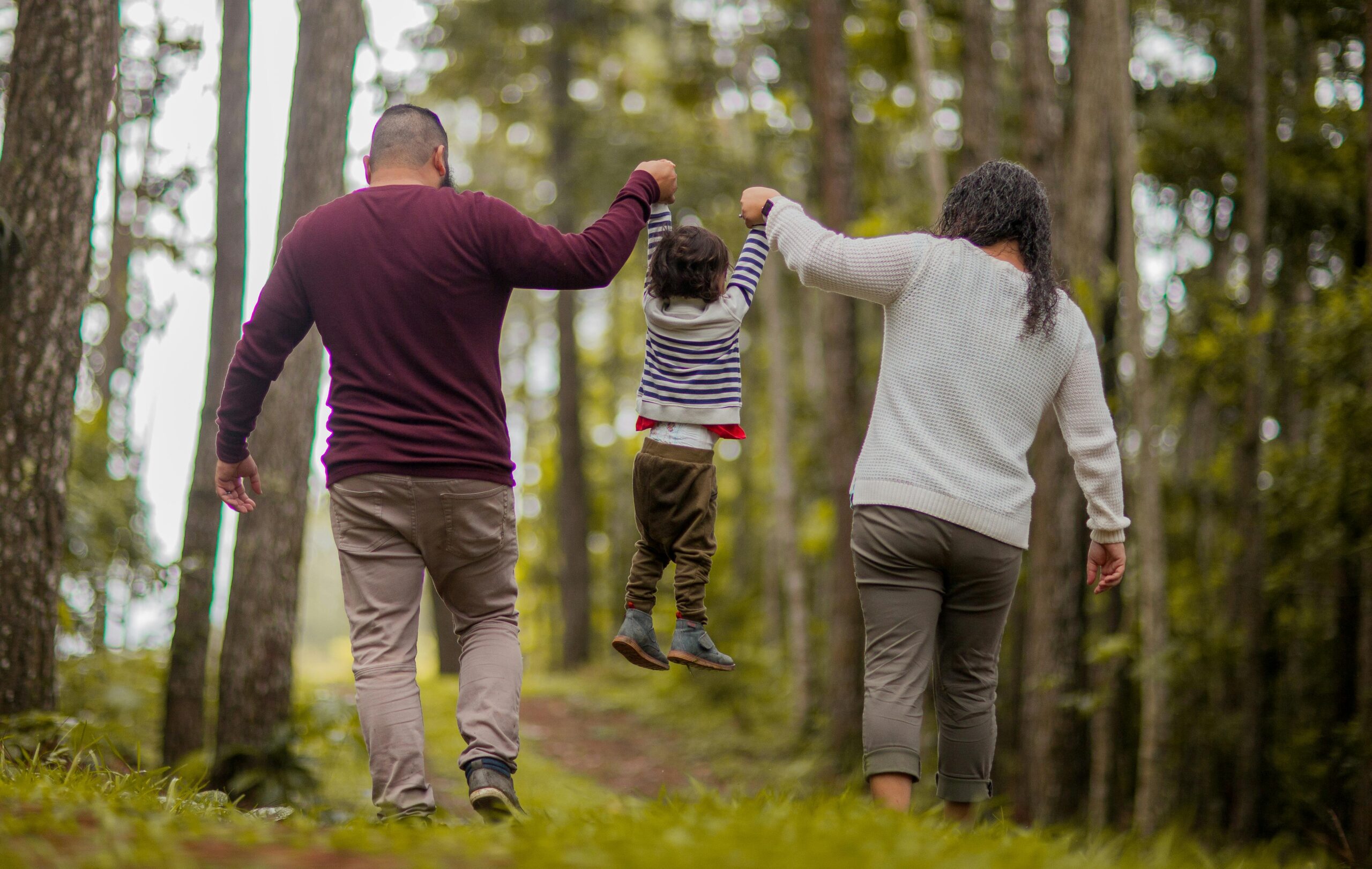
Recovery is a long path, and the presence of a supportive family can dramatically change its direction. A family grounded in truth and guided by healthy practices becomes an anchor for the person healing from gambling addiction. But families need guidance too. They need a safe space to express hurt, fear, exhaustion, and the desire to move forward.
This is why a family guide to gambling recovery is essential. It gives language to the unspoken, structure to the chaos, and hope to the uncertainty. Resources for families facing gambling addiction—such as support groups, counseling programs, and educational materials—provide the tools needed to navigate this journey together. They empower loved ones to set boundaries, practice self-care, and participate in recovery without losing themselves in the process.
Families become part of the healing—not through rescuing, but through participating in recovery with intention, boundaries, and emotional honesty.
Featured Book Review
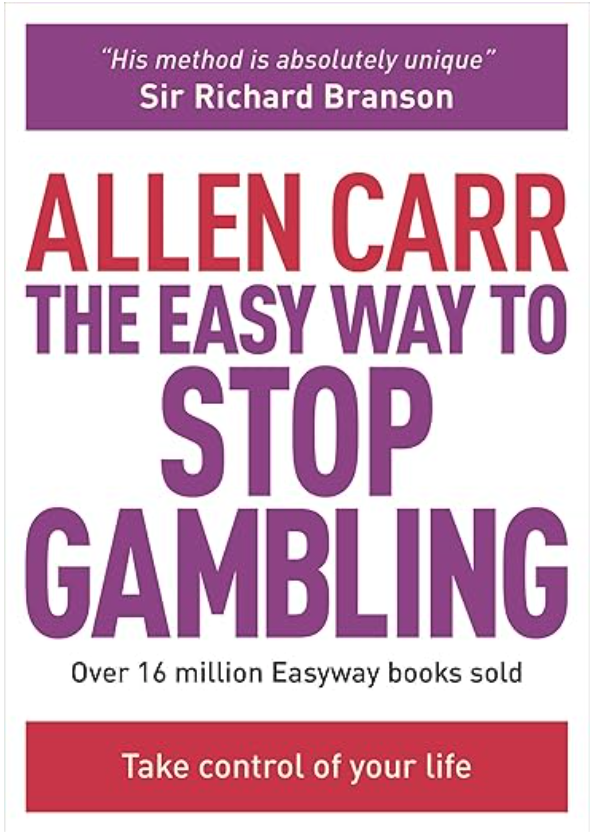 The Easy Way to Stop Gambling by Allen Carr
Allen Carr’s method focuses on dismantling the beliefs and mental traps that keep people gambling. Rather than relying on willpower, this book explores the psychological hooks of addiction and shows readers how to remove the desire to gamble itself. Clear, direct, and empowering, it offers a mindset shift that can support immediate and lasting recovery.
Recovery takes guidance, and books can provide both comfort and practical strategies. Visit our Books Page for Healing to explore guides, memoirs, and workbooks that support lasting change.
Step 1: Breaking the Silence Together
Silence is often the first wound of gambling addiction. Hiding losses, concealing debt, avoiding confrontation, or pretending everything is normal can create an emotional distance that deepens over time. Recovery begins when silence breaks and truth is spoken.
A family guide to gambling recovery always begins with conversation. It encourages families to:
- Speak honestly about concerns
- Validate emotions without blame
- Allow the person struggling to share without fear of punishment
- Create a listening environment rooted in calm, not anger
Breaking the silence does not solve everything immediately, but it removes the secrecy that the addiction depends on.
Step 2: Support Without Enabling
Families often ask, “How do we help without making things worse?”
This is one of the most important questions addressed in any family guide to gambling recovery.
Enabling happens when family members unintentionally protect the addiction instead of the person. Support, on the other hand, strengthens recovery.
Healthy support includes:
- Creating financial safeguards like limited access to accounts or shared budgeting
- Setting boundaries on acceptable behavior
- Encouraging therapy, counseling, or support groups
- Having regular accountability checks
- Being firm without being harsh
In this family guide to gambling recovery, the message is clear: love must be paired with structure. Caring for someone means helping them stand—not lifting them so high that they never learn how to rise on their own. And part of that structure involves talking to your spouse about gambling debt and repairing relationships. Honest conversations about finances and trust can be painful, but they are essential steps toward rebuilding connection. When families face these truths together, recovery becomes not just about stopping harmful behavior, but about restoring dignity, repairing bonds, and creating a healthier future.
Step 3: Healing Relationships Damaged by Gambling
Gambling addiction changes the emotional landscape of relationships. Partners may feel betrayed. Parents may feel helpless. Siblings may feel forgotten. Children may sense tension even when they cannot understand why.
A family guide to gambling recovery must address these emotional fractures with honesty and patience.
Healing involves:
- Rebuilding trust through consistent actions
- Repairing financial wounds with clear plans
- Addressing emotional distance through communication
- Allowing every family member space for their own healing
- Understanding that forgiveness is a process, not a switch
Above all, families must remember that healing is not linear. Some days feel hopeful. Some do not. But commitment to recovery—both individually and collectively—makes rebuilding possible. Compassionate steps to heal family bonds after gambling addiction include practicing patience, creating safe spaces for dialogue, and showing empathy even in difficult conversations. These steps remind families that recovery is not only about overcoming addiction but also about restoring connection, dignity, and trust within the household.
Take the First Step Toward Mental Clarity
Discover the support and guidance you deserve through Online Therapy — a compassionate space to help you process emotions, rebuild trust with yourself, and stay grounded during recovery from gambling addiction.
Step 4: Creating a Family Recovery Circle
One of the strongest tools in this family guide to gambling recovery is the idea of a Family Recovery Circle. This is a structured, intentional practice that allows families to come together regularly to support healing.
A Family Recovery Circle can include:
- Weekly or bi-weekly check-ins
- Shared discussions on progress and challenges<
- A safe environment where emotions are expressed respectfully
- Agreements on boundaries and commitments
- Shared access to resources like worksheets, books, or therapy tools
Some families also incorporate:
- Family therapy
- Joint journal entries
- Affirmation practices
- Meditation or mindful breathing
- Financial planning sessions
A Family Recovery Circle works because it removes isolation. It creates continuity. It keeps everyone aligned and accountable. It strengthens emotional connection in a way that supports long-term recovery for everyone involved.
Step 5: Sustaining Long-Term Recovery Together
Long-term healing is built one day at a time. Every decision, every conversation, every boundary reinforces the progress a family makes together.
A strong family guide to gambling recovery emphasizes three elements of sustained recovery:
- Consistency
Healing requires routines—consistent communication, financial accountability, and emotional check-ins.
- Individual Well-being
Each family member must protect their mental and emotional health. No one person can carry the entire weight of recovery.
- Forward-Focused Healing
Families heal best when they envision a future not defined by past losses, but by new chances for stability, peace, and connection.
Recovery is not about undoing the past. It is about reshaping the future.
Closing Reflection
This family guide to gambling recovery is not just a framework—it is an invitation to choose healing over silence, courage over fear, and connection over distance. Recovery is possible. Families can reclaim trust. Relationships can grow stronger than they were before. Hope does not disappear just because the journey is difficult. Hand in hand, families can find A Realistic Gambling Recovery Pathway.
Healing begins the moment a family chooses to take the first step together — and avail of Free resources for daily support in gambling recovery.