


Protecting Recovery During the Holidays
Protecting recovery during the holidays is one of the most important steps for anyone working to maintain progress in gambling or other addictions. The festive season can be joyful but also full of emotional and financial triggers. Bonuses, parties, family gatherings, and feelings of loneliness can all challenge recovery. Understanding these triggers and developing strategies is essential for protecting recovery during the holidays and maintaining long-term well-being.
Note: This content may include affiliate links. Purchasing through these links helps fund our work while keeping our recovery guides freely accessible. We only promote resources we believe are genuinely helpful for those navigating gambling addiction and rebuilding stability.
1. Recognize Your Triggers
The first step in protecting recovery during the holidays is awareness. Financial triggers are among the most common, including holiday bonuses, unexpected cash gifts, and seasonal sales that tempt overspending. Emotional triggers are equally important. Stress from family obligations, memories of past losses, or feelings of isolation can all increase the risk of relapse.
Take the time to reflect on past holiday experiences. Which situations or feelings led to gambling or unhealthy coping mechanisms before? Understanding these patterns allows you to anticipate and avoid potential risks. By identifying triggers in advance, you can create proactive strategies, which is a crucial part of protecting recovery during the holidays.
2. Plan Ahead
Planning ahead can make a huge difference. The holidays often bring last-minute social invitations and unexpected events. By scheduling recovery meetings, support group sessions, or therapy appointments in advance, you create reliable anchors that keep your recovery on track.
Create a list of safe and meaningful activities for high-risk periods. This could include walks in the park, volunteering at local charities, spending time with supportive friends, or even attending community holiday events that do not involve gambling. Additionally, limiting access to money, online betting apps, and casinos can prevent impulsive decisions and is a proactive step in protecting recovery during the holidays.
Featured Book Review
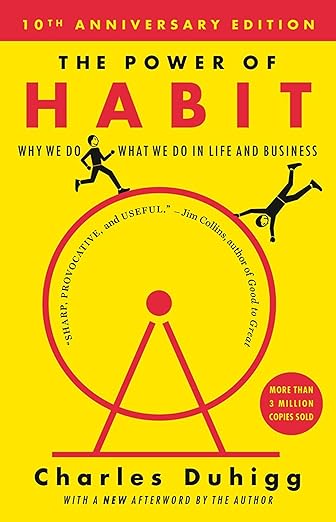 The Power of Habit by Charles Duhigg
A deeply engaging exploration of how habits are formed—and how they can be changed. Duhigg reveals the science behind habit loops and offers practical strategies for reshaping destructive patterns into healthier ones. For individuals recovering from gambling addiction, this book provides valuable insight into why compulsive behaviors develop and how to rebuild new, empowering routines.
Recovery takes guidance, and books can provide both comfort and practical strategies. Visit our Books Collection for Healing and Recovery to explore guides, memoirs, and workbooks that support lasting change.
3. Prioritize Self-Care
Self-care is central to maintaining stability during the holiday season. Long nights, unhealthy food, alcohol consumption, and emotional stress can increase vulnerability to relapse. Protecting recovery during the holidays means taking deliberate steps to maintain physical and emotional health.
Prioritize consistent sleep schedules, balanced meals, and regular exercise. Incorporate mindfulness practices such as meditation, deep breathing exercises, or journaling. These routines provide a sense of calm and help you stay centered. Remember, protecting recovery during the holidays isn’t about being perfect; it’s about creating structure and self-compassion that support your healing.
4. Communicate Openly
Open communication with loved ones is essential. Share your recovery goals and explain how they can support you during the holidays. This might mean asking family members to avoid conversations about gambling, monitoring spending, or simply offering a listening ear when emotions run high.
Having honest conversations reduces secrecy and builds accountability, which is critical in protecting recovery during the holidays. Letting others in allows you to feel supported instead of isolated, which can dramatically lower the risk of relapse.
5. Manage Expectations
Holidays often come with high expectations—of joy, family harmony, or personal success. These pressures can be overwhelming and may trigger feelings of inadequacy or stress. Protecting recovery during the holidays includes setting realistic expectations and being kind to yourself.
Learn to accept that the season doesn’t have to be perfect. Let go of traditions that feel stressful or unrealistic. By focusing on meaningful experiences rather than perfection, you reduce emotional triggers and strengthen your commitment to recovery.
6. Reflect and Practice Gratitude
Reflection and gratitude are powerful tools for maintaining recovery. Take time each day to reflect on your progress, acknowledge achievements, and express gratitude for supportive people and experiences in your life. Journaling, sharing reflections with a friend, or even taking quiet moments to meditate on progress reinforces protective habits.
See American Addiction Centers’ holiday recovery tips for daily reflection practices. This practice reminds you of why protecting recovery during the holidays matters. It shifts focus from urges or stress to intentional actions that nurture healing, making the season more meaningful and less triggering.
7. Prepare for High-Risk Situations
Despite careful planning, there will always be moments that challenge recovery. Family gatherings, office parties, or unexpected financial windfalls can present high-risk situations. Preparing an action plan is critical.
Identify strategies to manage cravings or impulsive behavior. This may include contacting a sponsor, taking a walk to reset your mind, practicing breathing techniques, or stepping away from stressful environments. Having clear, practiced strategies ensures that protecting recovery during the holidays becomes intentional rather than reactive.
8. Reconnect with Yourself and Others
Protecting recovery during the holidays is about more than avoiding gambling—it’s an opportunity to reconnect with yourself and your relationships. Engage in meaningful activities, practice empathy, and nurture relationships with friends and family.
Each choice to prioritize recovery strengthens your foundation for a fulfilling life. Whether it’s cooking together, volunteering, or simply sharing stories, reconnecting fosters emotional resilience. Protecting recovery during the holidays becomes part of living a balanced, present, and connected life.
9. Maintain Long-Term Perspective
The holiday season is just a part of the year, but choices made during this time can have lasting effects. Protecting recovery during the holidays means keeping your long-term goals in mind. Reflect on how each decision supports your health, finances, and relationships.
Recovery is a lifelong process. Small, consistent actions during high-risk periods, like the holidays, accumulate into significant progress over time. Each day you prioritize recovery reinforces the skills, habits, and mindset needed to maintain freedom from gambling.
Conclusion
Protecting recovery during the holidays requires awareness, planning, self-care, communication, reflection, and a long-term perspective. By identifying triggers, setting boundaries, and making intentional choices—especially cultivating emotional boundaries that prevent relapse and foster resilience—the festive season can become a time of growth and connection rather than risk. Protecting recovery during the holidays is achievable, and with focus and intention, it can strengthen not just recovery but overall emotional, financial, and relational well-being.
Unwrapping the Next Gift on Your Healing Journey
- Reflecting on Relapse as Part of Healing
- Managing Holiday Triggers
- Practical Worksheets and Guides for Gambling Recovery Success
Discover Trusted Resources for Recovery
If you’re serious about healing, our curated Recovery Tools & Resources page provides tools, support services, and guidance to help you reclaim your life after gambling addiction.