

Self-Compassion in Gambling Recovery
Self-compassion in gambling recovery isn’t just a comforting idea—it’s a powerful path to healing. There’s a quiet moment after every relapse, every impulsive decision, every reminder of what’s been lost. It’s that stillness where guilt creeps in and whispers: “You should’ve known better.” For many in recovery, guilt feels familiar, almost deserved. But the truth is, guilt doesn’t have to be a life sentence. With self-compassion, it can become the starting point for transformation.
Please know that some links on High Stakes Healing are affiliate links. This means we may earn a commission if you make a purchase, at no added cost to you. These small contributions allow us to provide articles, tools, and support to those in recovery, while recommending only the resources we genuinely value.
The Hidden Weight of Shame
When people begin exploring self-compassion in gambling recovery, one of the first barriers they face is shame. Shame thrives in silence, convincing you that you are your mistakes. It feeds on isolation—on the belief that you’re unworthy of healing. After gambling losses, lies, or broken trust, shame can become overwhelming. It’s not just guilt over actions—it’s the painful belief that you are the problem.
But shame doesn’t heal; it hides. Healing begins when you choose understanding over punishment—when you replace harsh self-criticism with compassion and care. That’s where self-compassion in gambling recovery becomes not only useful but essential. Learning how affirmations help reduce shame and guilt in recovery adds another layer of healing, because positive self-talk rewires the inner dialogue from “I am broken” to “I am learning.” Each affirmation becomes a gentle reminder that recovery is possible, dignity is intact, and progress is worth celebrating.
Featured Book Review
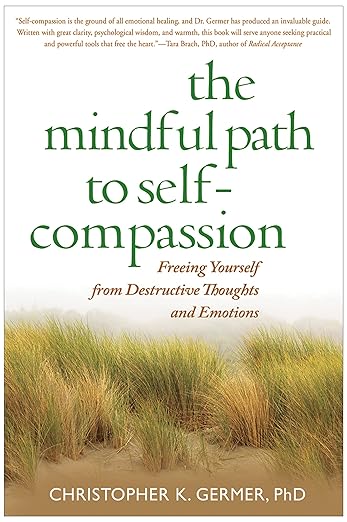 The Mindful Path to Self-Compassion by Christopher Germer
An empowering, therapeutic guide that teaches how to relate to yourself with kindness, understanding, and patience. Christopher Germer blends mindfulness practices with psychological insight to help readers quiet inner criticism, overcome shame, and foster inner healing. For anyone recovering from gambling addiction, this book offers essential tools to rebuild self-worth, practice self-care, and nurture long-term emotional recovery.
Recovery takes guidance, and books can provide both comfort and practical strategies. Visit our Books Page for Healing and Recovery to explore guides, memoirs, and workbooks that support lasting change.
Learning to See Guilt Differently
Guilt can be a signal of growth. In self-compassion in gambling recovery, guilt isn’t treated as a punishment but as a teacher. It reminds you of your values and your desire to reconnect with what matters. The goal isn’t to erase guilt—it’s to understand it.
Ask yourself:
- What is this guilt trying to tell me?
- What value or relationship does it point me back to?
- How can I make amends, not from fear, but from love?
Through this reflection, self-compassion in gambling recovery turns guilt from a weapon into wisdom. It teaches that feeling remorse means you still care—and that caring is the foundation for change. Breathwork and movement as tools for somatic recovery can also help release guilt stored in the body, allowing you to process emotions physically as well as mentally. By pairing mindful practices with self-compassion, guilt becomes not a barrier but a bridge toward healing.
The Practice of Self-Compassion
Self-compassion in gambling recovery doesn’t mean ignoring responsibility. It means holding yourself accountable with kindness. According to Dr. Kristin Neff, self-compassion involves three core elements: mindfulness, common humanity, and self-kindness. Together, they help you relate to your pain with gentleness instead of judgment.
In practice, self-compassion in gambling recovery might look like:
- Writing yourself a forgiveness letter after a setback.
- Talking openly about your experiences in therapy without shame.
- Reminding yourself that every person makes mistakes—and you are not alone.
When you begin to see yourself with compassion, you make space for growth. You stop defining your worth by your past and start believing in your capacity to heal.
Healing Beyond Punishment
A life built on shame views every setback as proof of failure. But a life built on self-compassion in gambling recovery sees setbacks as lessons. This mindset shift takes time, practice, and often, guidance.
Turning Guilt into Growth: 5 Practical Steps
Here are a few ways to nurture self-compassion in gambling recovery every day:
- Name your emotions. When you feel guilt or shame, say it aloud. Recognizing the feeling separates you from it.
- Write through the pain. Journaling transforms confusion into clarity. Ask yourself: What am I learning about myself through this?
- Apologize with sincerity. True apologies rebuild connection and show that you value growth more than guilt.
- Set small, meaningful goals. Self-compassion in gambling recovery honors progress over perfection. Small steps build self-trust.
- Seek compassionate guidance. Healing is lighter when shared. Look for support that understands your journey without judgment.
The Path Forward
Practicing self-compassion in gambling recovery doesn’t mean pretending the past didn’t happen. It means facing it with courage and tenderness. It means forgiving yourself for being human, learning from every mistake, and choosing to begin again.
You are not defined by your lowest moments—you are defined by your decision to rise from them. Each act of self-compassion is a quiet rebellion against shame, a reminder that healing isn’t about being perfect but about becoming whole.
Healing is not linear, but it is possible—with self-compassion leading the way.
Looking for more stories and guidance? Continue your journey of growth and understanding through these readings:
- Solo Retreat for Gambling Recovery: Lessons in Patience and Self‑discovery
- Pairing Mindfulness with Therapy in Gambling Addiction Healing
- Accountability Check-ins: Choosing Peace over Gambling Triggers
- How To Recover After a Gambling Relapse
- Forecasting for Healing from Gambling Addiction
Take the Next Step in Your Healing Journey
Your next step doesn’t have to be alone. Check out our Recovery Tools & Resources page for a collection of trusted aids to support emotional healing, financial recovery, and long-term sobriety.